
On getting started with the first step of repairing your credit on your own. Just follow the steps below and you can have your credit fixed over time.

Getting your credit report is easy. You can get it free from all three agencies once a year at www.annualcreditreport.com

If you’ve gotten your report, then go to How to analyze your credit report to learn more.

If you find any inaccuracies while you’re digging through your credit reports, you have the legal right to dispute them. When you dispute an account, the credit bureau has to investigate and delete the item from your credit report if it isn’t verified as accurate.

A deletion could boost your credit scores in certain cases, if the removed item was negative. But even if a deletion doesn’t improve your scores, it’s still important to ensure that all information on your reports is accurate.

Disputing an item on a credit report is pretty simple. Start by determining which information is inaccurate. Then, determine which credit bureau is reporting the errors.

Finally, use one of the forms below to dispute the inaccurate information. Wait 30-days for a response and if you didn’t get the action you hoped for you can follow up with the bureau, contact the creditor that furnished the data, submit a complaint to the Consumer Financial Protection Bureau, or even speak with a consumer protection attorney if the situation demands it.

Once you deal with any errors on your credit report, it’s time to ensure you’re not still spending more than you can afford each month.

Why is this so important? It’s because are only three simple things to do to repair bad credit:

  1. Pay all of your bills on time
  2. Pay down debt (especially credit card debt)
  3. Avoid applying for credit

If you want to fix bad credit, you need to start paying all of your monthly bills on time, period!

If you’re behind on any bill, get caught up as soon as you can. On-time payments are the single most important factor to your credit score. Simply put, your credit won’t improve until you can consistently pay every bill on time.

One downside of this is that you don’t get credit for basic bills like your monthly phone and utilities. Experian Boost can help with that. The free service links your bank account to Experian to monitor your monthly payments. On average, customers have enjoyed a 13-point FICO score increase using this service.

Take charge of your credit cards by paying down their balances.

If you have any outstanding balances, make room in your budget to pay down these debts bit by bit, every month until they are gone.

Know your credit limits and make every effort to stay well under the maximum when charging items.

That’s because credit bureaus analyze your debt load as a ratio. If you charge $500 on a card which has a $1,500 limit, you’ve used 33%, which is better for your credit score than charging the same amount on a card which has a $1,000 limit (50%), both of which are better than being maxed out (100%).

Pay these credit cards down, but don’t cancel them. The total amount of available credit affects your score, even if you owe nothing.

Most credit repair places will tell you NOT to apply for new credit, but that all depends on what is ON your credit report.

These are some suggested credit accounts to get your credit score boosted if you have no credit cards at all, if you have credit cards or installment loans, then just follow steps 5 & 6.

Please remember that we don’t endorse any of these and they are just suggestions.

First, let’s learn the difference between secured and unsecured credit.

  • Secured Credit: A secured credit card is a type of credit card that is backed by a cash deposit from the cardholder. This deposit acts as collateral on the account, providing the card issuer with security in case the cardholder can’t make payments.
  • Unsecured Credit: Unsecured credit cards are credit cards that do not require a security deposit for approval and are available to people of all credit scores. An unsecured credit card is the most common type of credit card and the only one that actually allows users to borrow money.

Additionally here are some tips to increase your score.

Suggested Cards

Unsecured Credit Cards

It's best to apply for a max of 2 cards at a time and 6 months in-between applications at the beginning of the month. NOTE: WE WILL BE ADDING MORE SECURED, UNSECURED AND RETAIL CARDS SOON.

Good for anyone with a low credit score. [Apply Now]

Fees: $75 annual fee taken from the available credit.

Credit Limit: $300 (no credit increases)

(TIP) Don’t use your card right away. Wait until you get a statement with your due date and after your next statement close. 

*note* all of these cards use the same bank and will deny you credit if you were denied or even have another account with them.

This card is good for rebuilding credit. A score of 625 or better is required. [Apply Now]

Fee: $75 taken from available credit.

Credit Limit: $300 (credit increases available, but they charge a fee if you request one.)

(TIP) Don’t use your card right away. Wait until you get a statement with your due date and after your next statement close. If you want more detailed tips and information on if this card is right for you, then contact a consultant.

This card is good for anyone that needs to build credit but doesn’t qualify for an unsecured card. [Apply Now]

Fee: $50-$200 deposit required. 

This is also a good card to rebuild credit if you have a score lower than 600 and no bankruptcies. [Apply Now]

Fee: $89 (if approved)

Credit Limit: 

This card will help you build your credit, by giving you a credit limit based on your bank activity and income. You must have direct deposit to the account you want considered for this card. [Apply Now

Fee: $14.99-$129.99/mo

Credit Limit: $300-$100,000

(Tip) Have direct deposit on a bank account for at least 3 months where it will show steady income.

This card offers two types of accounts for building credit. You get a tradeline that you pay off monthly. The tradeline can only be used for their products, which are usually digital. You can choose which plan works for you.

  1. Tradeline. This card is good for rebuilding credit. A score of 600 or lower can still get this type of card. [Apply Now
  2. Loan. You “borrow” a small amount (typically $120), but the funds are held in a secure account. You pay $10 per month for 12 months.

Fee: $5-$35

Credit Limit: $750-$3500

This is a department store/retail store card. Many people with a credit score under 600 can get this card. [Apply Now]

Fee: $0

Credit Limit: Varies

This is a department store/retail store card. Many people with a credit score under 600 can get this card. [Apply Now]

Fee: $0

Credit Limit: Varies (Increases are given based on payment history)

DOES NOT REPORT TO CREDIT BUREAUS!

This is not an unsecured card but it a credit card that you will need to add funds too. [Apply Now]

Fee: 0

Credit Limit: $300-$1000

(Tip) Leave money in this account even if you don’t want to use it, it will show that you have a balance and a credit limit. make sure the balance is 30% of the total credit limit that you receive.

Accordion Content

Good for anyone with a low credit score. [Apply Now]

Fees: $75 annual fee taken from the available credit.

Credit Limit: $300 (no credit increases)

(TIP) Don’t use your card right away. Wait until you get a statement with your due date and after your next statement close. 
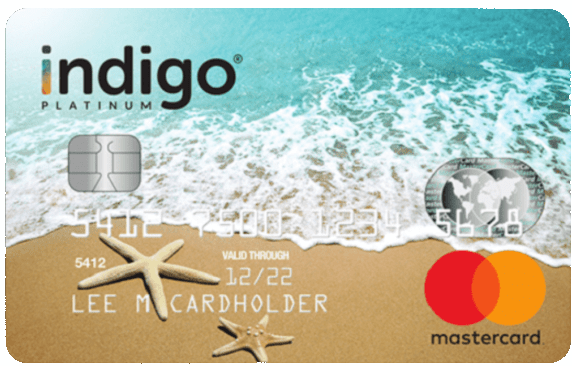
Good for anyone with a low credit score. [Apply Now]

Fees: $75 annual fee taken from the available credit.

Credit Limit: $300 (no credit increases)

(TIP) Don’t use your card right away. Wait until you get a statement with your due date and after your next statement close. 

If for some reason the credit account you apply denies you credit, you can contact us from the form below and we will update the information on that card.

(TIP) Don’t use your card right away. Wait until you get a statement with your due date and after your next statement close. 

http://cannycreditrepair.com/wp-content/uploads/2023/02/indigo2.png

Indigo

$700Limit

Details

  • Scores 520+
  • APR: 35.9%
  • Annual Fee: $175 1st yr -
  • Monthly Fees
  • Deposit
  • Credit Increase
  • Limit Increase Fee

*note* Indigo, Milestone, Reflex, Surge, and Destiny  use the same bank and will deny you credit if you were denied or even have another account with them.

http://cannycreditrepair.com/wp-content/uploads/2023/02/creditonebank.jpg

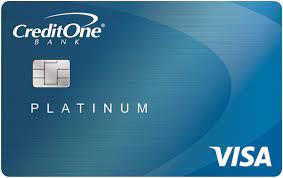
Credit One Platinum

$300Limit

Details

  • Scores 525+
  • APR: 29.74%
  • Annual Fee: $49 1st yr -
  • Monthly Fees
  • Deposit
  • Credit Increase
  • Limit Increase Fee
http://cannycreditrepair.com/wp-content/uploads/2023/02/capitolone.jpg

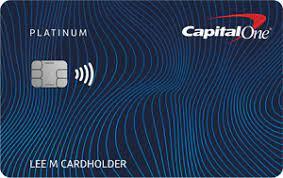
Quick Silver/Savor/Venture/

$300Limit

Details

  • Scores 600+
  • APR: Varies
  • Annual Fee
  • Monthly Fees
  • Deposit
  • Credit Increase
  • Limit Increase Fee
Suggested Cards

Unsecured Credit Cards w/ Fee

It's best to apply for a max of 2 cards at a time and 6 months in-between applications at the beginning of the month. NOTE: THESE CARDS WILL USUALLY TAKE THE PROGRAM FEE FROM THE AVAILABLE BALANCE, SO IF THE FEE IS $95 AND YOUR APPROVED BALANCE IS $300, YOUR STARTING BALANCE WILL BE $205.

If for some reason the credit account you apply denies you credit, you can contact us from the form below and we will update the information on that card.

http://cannycreditrepair.com/wp-content/uploads/2026/02/tomo-card-XbIkBm5D.gif

Sparrow

$100+Limit

Details

  • Scores 500+
  • APR:
  • Annual Fee
  • Monthly Fees
  • Deposit
  • Program Fee
  • Credit Increase
  • Credit Increase Fee
http://cannycreditrepair.com/wp-content/uploads/2026/02/Revvi_CreditCard_front.webp

Revvi

$200-500Limit

Details

  • Scores 550+
  • APR: 35.99%
  • Annual Fee: $50-$125
  • Monthly Fees
  • Deposit
  • Program Fee: $95
  • Credit Increase
  • Credit Increase Fee
http://cannycreditrepair.com/wp-content/uploads/2026/02/TCV_Card_Front.webp

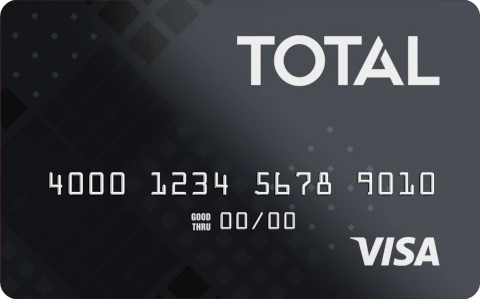
Total Visa

$200-500Limit

Details

  • Scores 600+
  • APR: 35.99%
  • Annual Fee: $50-$125
  • Monthly Fees
  • Deposit
  • Program Fee: $95
  • Credit Increase
  • Credit Increase Fee
Suggested Cards

Credit Account

It's best to apply for a max of 2 cards at a time and 6 months in-between applications at the beginning of the month. NOTE: A credit account does not allow you to spend outside of their merchandise. Some accounts will have digital merchandise only but it will still build your credit history and raise your credit score.

If for some reason the credit account you apply denies you credit, you can contact us from the form below and we will update the information on that card.

http://cannycreditrepair.com/wp-content/uploads/2026/02/tomo-card-XbIkBm5D.gif

Tomo

$100+Limit

Details

  • Scores 500+
  • APR:
  • Annual Fee
  • Monthly Fees
  • Deposit
  • Program Fee
  • Credit Increase
  • Limit Increase Fee
http://cannycreditrepair.com/wp-content/uploads/2026/02/kikoff.png

Kikoff

$300Limit

Details

  • Scores 500+
  • APR:
  • Annual Fee
  • Monthly Fees
  • Deposit
  • Program Fee: Varies
  • Credit Increase
  • Limit Increase Fee
http://cannycreditrepair.com/wp-content/uploads/2026/02/TCV_Card_Front.webp

Total Visa

$200-500Limit

Details

  • Scores 600+
  • APR: 35.99%
  • Annual Fee: $50-$125
  • Monthly Fees
  • Deposit
  • Program Fee: $95
  • Credit Increase
  • Credit Increase Fee
Credit Denials Can Be Complex

Reasons for Credit Denial

Reasons for Credit Denial

What it means: The score likely looks at your total available credit limits and compares them to your outstanding balances, individually and in the aggregate. The greater the percentage of your available credit that you are using, the greater the impact to your scores. There’s no magic number here, though. In other words, getting your balances below 30% or 50% of your available credit doesn’t automatically eliminate this factor.

What you can do about it: Focus on paying down balances that are close to the credit limits as quickly as possible. What about transferring a balance from a maxed-out card to one with a smaller balance? While that might help, it’s not likely, since you still have just as much debt as before (another factor). If you can’t make headway on paying down your credit cards, you may want to talk with a credit counseling agency.

What it means: This factor may look at your debt in comparison to other consumers, and if your debt is higher than optimal, it could show up as a reason why you weren’t approved.

What you can do about it: This one is particularly frustrating because you probably have no idea how much debt is too much, nor do you know which balances to try to pay down first. Typically, though, you’ll get the most bang for your buck, credit-wise, by focusing on paying down your credit cards with balances that are closest to the limits first.

What it means: This reason appears when your credit report indicates a high number of credit applications (inquiries) within the last year. But not all are counted the same. Checking your own credit reports doesn’t count; nor do promotional inquiries, inquiries from employer and insurance companies, and account reviews by your current creditors. The impact of inquiries on your credit will vary, depending on your overall credit profile, but the typical inquiry can be expected to impact your score by about 5 points.

What you can do about it: This reason is more likely to appear when you have a limited credit history or strong credit, simply because there are fewer other significant negative factors affecting your scores. But it doesn’t hurt to lay low for a while. Avoid opening new retail cards. While all inquiries resulting from shopping for a mortgage, student loan or auto loan aren’t as likely to hurt your score as the same number of inquiries for credit cards, limit your applications to a short period of time, such as 14 days.

What it means: Delinquency refers to payments that were late. The general rule of thumb is that the further you fell behind, the greater the impact to your credit score.

What you can do about it:  If the information is inaccurate, you can dispute it. If it’s correct, you’re going to have to live with it for a while; usually up to seven years. Focus on making your current payments on time. If cash is tight, remember that all you have to do is make the minimum payment on time to avoid a delinquency on your report.

What it means: Recent late payments will have a greater impact on your score than older late payments. Typically, those within the most recent year or two can hurt your scores the most. If an account was delinquent a while ago, but the credit report doesn’t indicate the date, this factor can pop up as well.

What you can do about it: The good news is that as time passes, these delinquencies will carry less weight, especially when you are paying current bills on time. But the date is important here. If an inaccurate date (or no date) is reported for a charge-off or collection account, for example, make sure you dispute that with the credit reporting agency.

What it means: This can mean your credit report includes a bankruptcy, judgment, tax lien or collection account. Bankruptcy remains on your report 10 years from the date you file (7 years for a completed Chapter 13); paid judgments can be reported for 7 years but unpaid judgments can stay on there even longer; paid tax liens are removed 7 years after being paid, but unpaid tax liens can remain on your report indefinitely; while collection accounts may be reported seven years and 180 days from the date you first fell behind with the original creditor leading up to the account being turned over to collections.

What you can do about it: If the information is accurate, then this is also a matter of biding your time and making sure you have as many positive credit references currently reporting as possible. (A secured card may be an option if you can’t qualify for a regular credit card.) And while paying a collection, judgment or tax lien won’t likely change this factor in the short run, it could result in the public record item being removed from your report sooner, and protect you from being sued for a debt which could result in additional judgments or collections on your credit reports. If dates are incorrectly reported or payments are not being reported — not uncommon with collection accounts — dispute them.

What it means: This reason may appear when your credit report doesn’t include any revolving accounts (usually credit cards), or when all your credit cards closed or are no longer being reported. If you have open credit cards, it may also appear when there are no balances on those accounts.

What you can do about it: Don’t worry. This doesn’t mean you have to have debt to have good credit. As long as you use your cards from time to time, this shouldn’t be a problem. But if you are avoiding credit cards all together, you’ll have a tough time getting a top credit score. Get a credit card and use it occasionally — even a secured card — and pay it in full and on time, and you should be fine.

What it means: Your mortgage was paid off years ago. You pay cash for your cars. You don’t have any outstanding student loans.  Guess what? The fact that you’re ultra-responsible here doesn’t help your credit scores.

What you can do about it: The strongest credit scores go to those with a mix of different types of accounts. Does that mean you have to rush out and take out a loan? No. But next time you go to buy a car, you may want to find out if you qualify for 0% financing, or a low-rate loan. Or you may want to see if you can get a low-rate personal loan to consolidate some higher-rate credit card debt.  On the other hand, don’t go overboard. You don’t want to pay a lot in extra interest charges.

What it means: This reason appears when your credit report does not show enough accounts paid on time relative to the number of accounts with late payments. But if you haven’t been late with payments, this reason most likely means that you need more accounts reported on your file as “paid as agreed.”

What you can do about it: You may want to think about adding a current credit reference, or even a couple of them over time. If you’re having trouble getting approved for a credit card or personal loan, consider a secured card.

What it means: Consumer finance companies make relatively small personal loans, usually limited to several thousand dollars, and quite often at interest rates higher than those on most credit cards. Consumers who rely heavily on consumer finance company accounts tend to be riskier to lenders than consumers who do not have any.

What you can do about it: Paying off these types of accounts will not improve your credit immediately but it’s still a good idea to pay them off as soon as you can since the interest rates are probably high. Next time you need to borrow, try first to get a standard personal loan through a social lending website, for example, or your bank or credit union.

What it means: refers to the frequency and total volume of individual, incoming transactions (deposits, transfers, or payments received) recorded on a bank account statement over a specific period. A high number of these events typically indicates that money is flowing into the account from multiple sources or in many small, separate transactions rather than one large, lump sum.

What you can do about it:

  1. Establish Consistent Deposits (Long Term): Ensure your income, especially if freelance or self-employed, is deposited regularly into a single account. If possible, set up direct deposits, which lenders prefer over manual deposits because they indicate steady employment.
  2. Use One Primary Account: Consolidate your income into one checking account. A fragmented financial life (money in multiple accounts) can appear as low income on application checks.
  3. Ensure Enough Funds in Account: Ensure the account you list on the application has enough balance to cover your daily expenses and your potential credit card payments.

What it means: after reviewing your banking or income records, determined that your income is too inconsistent or unpredictable to guarantee you can make monthly payments.

What you can do about it:

  1. Call the Reconsideration Line: Call the issuer’s reconsideration line to explain your income situation directly. If you have documentation (tax returns, invoices, bank statements) that shows a higher average income or a better trend than what they estimated, you can provide that.
  2. Use Total Household Income: If you are over 21, you can include income from a partner or spouse, or other income sources (like investments or dividends) to which you have a reasonable expectation of access.
  3. Opt for a Secured Credit Card: If you cannot prove income stability, apply for a secured credit card. These require a cash deposit that acts as your credit limit, reducing the lender’s risk.
  4. Strengthen Your Bank Account Management: Ensure your income deposits are clearly marked in your bank account, and avoid overdrawing your account, as this signals financial distress to lenders.

What it means: your recent credit history is too short, signaling high risk to lenders who cannot evaluate your long-term repayment habits. It indicates you either recently opened several accounts or have a “thin” file.

What you can do about it:

  1. Wait 3 to 6 Months: Allow the recent inquiries to age and the new account(s) to show a history of on-time payments.
  2. Reduce Credit Utilization: Pay down existing balances to under 10% to improve your creditworthiness.
  3. Become an Authorized User: Ask a family member with a long, positive credit history to add you to their account, which can instantly boost your average account age.
  4. Consider Secured Cards: If you have a very limited history, applying for a secured credit card can help build a longer, more stable credit history.
  5. Use the Reconsideration Line: Call the issuer to explain your situation, especially if you have a valid reason for the recent applications.

What it means: a lender identified that you previously failed to make the very first payment on a new credit account, loan, or service agreement. Lenders view this as a major red flag indicating high risk, as it suggests an inability to manage debt, potential financial distress, or in some cases, fraudulent intent

What you can do about it:

  1. Check for Errors (Dispute): Obtain your credit report from the three major bureaus (Equifax, Experian, TransUnion) to verify the default is accurate. If you actually paid on time but it was reported incorrectly, file a dispute immediately to have it removed.
  2. Request a Goodwill Adjustment: If the default was a one-time mistake due to unusual circumstances (e.g., you never received the first statement), write a “goodwill letter” to the creditor explaining your situation and asking them to remove the negative mark.
  3. Bring Account Current/Pay in Full: If the debt is still outstanding, pay it immediately. While this does not remove the negative mark, it changes the status from “default” to “settled” or “paid,” which looks better to future creditors.
  4. Rebuild Payment History: Ensure every subsequent payment on other accounts is on time. A long, consistent history of on-time payments will eventually overshadow past mistakes.
  5. Lower Debt Utilization: Pay down other high-interest debts to show that you have improved your financial management.
  6. Add a Note to Your File: You can add a 100-word “consumer statement” to your credit report, giving context for the default, such as a temporary illness or job loss that has since been resolved.